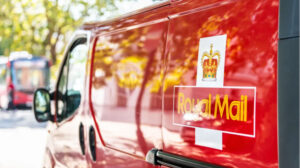
Royal Mail is being sued by drivers that it has classified as self-employed, meaning they are not entitled to holiday pay, sick pay or minimum wage.
The drivers are also reported as not having control over their working days or hours.
The drivers have called to be defined as workers, echoing demands from Uber drivers in 2016 to be classed as workers rather than self-employed, which was upheld by the Supreme Court in 2021.
Pam Loch, solicitor and managing director of Loch Associates Group, told HR magazine that employers should ensure they distinguish between employees and gig workers.
She said: “Making the distinction between employees and gig workers is essential, and has a number of legal implications.
“In 2021, the Supreme Court ruled against Uber which resulted in Uber being forced to categorise its drivers as workers, which meant the company had to pay a minimum wage and provide other rights.
“It is therefore crucial employers correctly identify the status of the individuals they engage in order to ensure they are paid correctly and afforded any rights they are entitled to.”
Royal Mail’s drivers also claimed that the Royal Mail parcel delivery subsidiary, Parcelforce, made them pay hundreds of pounds in fines when they call in sick, leaving them unable to take time off to attend GP appointments.
Claimants said that they were asked to pay the cost of covering their route while off sick, up to the cost of £1,500. Doing so reduces their pay to below the minimum wage, claimants have argued.
According to the Trades Union Congress, the number of people working in the gig economy tripled from 2016 to 2021.
Loch added that employers who misclassify workers could face penalties, fines or negative PR.
She continued: “Gig workers, especially those who are treated as self-employed, are responsible for managing their own taxes.
“A company could face penalties, fines and interest payments from HMRC if the individual has been misclassified.”